Entrega de sistemasRollout, estabilización y retiro correcto de una compañía Paperclip en vivo
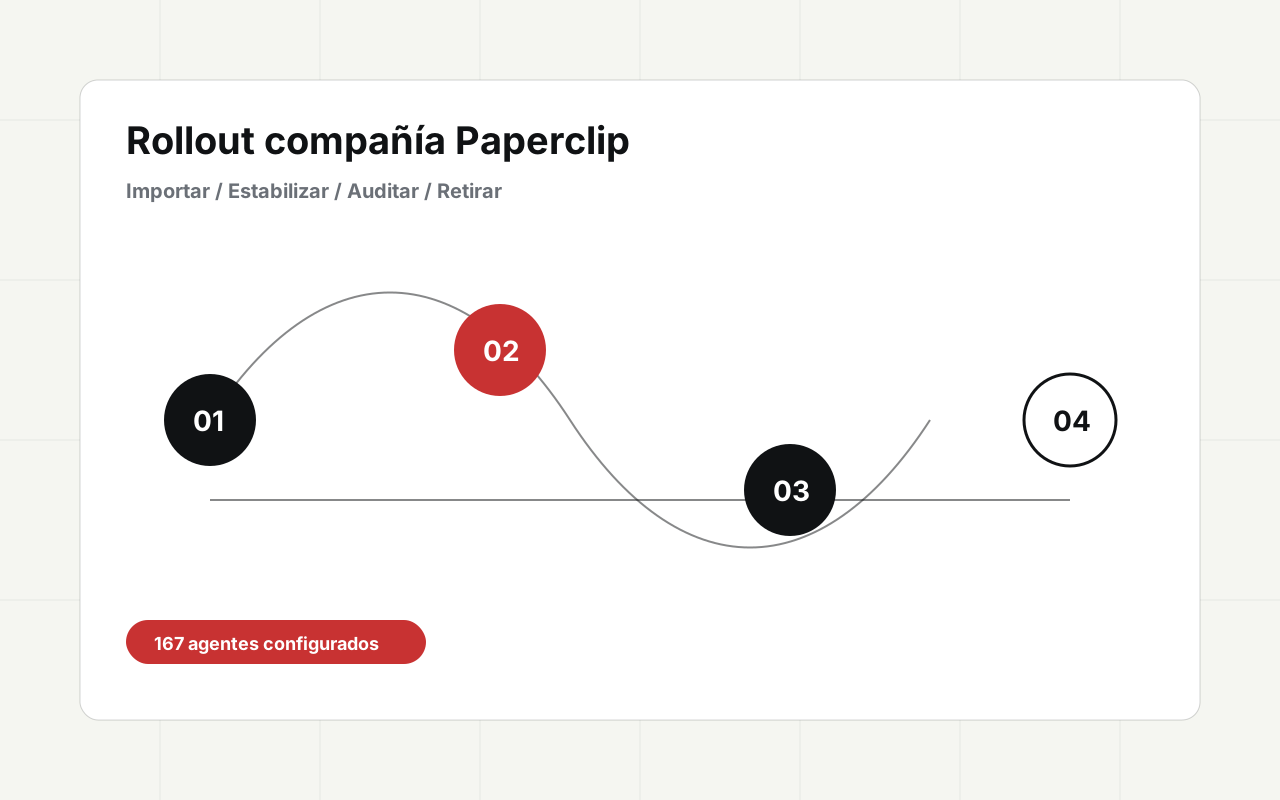
Importé y configuré una compañía multiagente grande, probé ejecución end to end, audité modos de falla y la retiré limpiamente cuando la evidencia mostró que no era la forma correcta a largo plazo.
Por qué fue difícilLo difícil no fue lanzar muchos agentes; fue probar qué forma operativa merecía sobrevivir.
AntesUn modelo amplio de compañía se veía impresionante pero cargaba fricción de setup, costo de ciclo de vida poco claro y ambigüedad de ejecución.
DespuésEl setup fue estabilizado, probado, auditado y retirado limpiamente cuando la evidencia argumentó contra escalarlo.
Relevancia para compradoresMuestra criterio bajo presión: instalar, verificar, debuggear y apagar el sistema equivocado cuando la evidencia lo indica.
Recibos sanitizados- Mapa sanitizado de importación de compañía
- Notas de QA de ejecución
- Checklist de retiro de ciclo de vida
- Registro de decisión de arquitectura
Movimiento del operadorArturo estabilizó el rollout, auditó calidad de ejecución, corrigió problemas de ciclo de vida y retiró el setup limpiamente en lugar de defender la arquitectura equivocada.
ResultadoMostró disciplina de instalación, debugging de plataforma, control de ciclo de vida y criterio para apagar un sistema que no debía escalar. Un operador serio debe estar dispuesto a retirar el sistema equivocado cuando la evidencia es clara.
Operaciones de ingenieríaValidé un squad compacto de entrega por medio de un ciclo real de ejecución
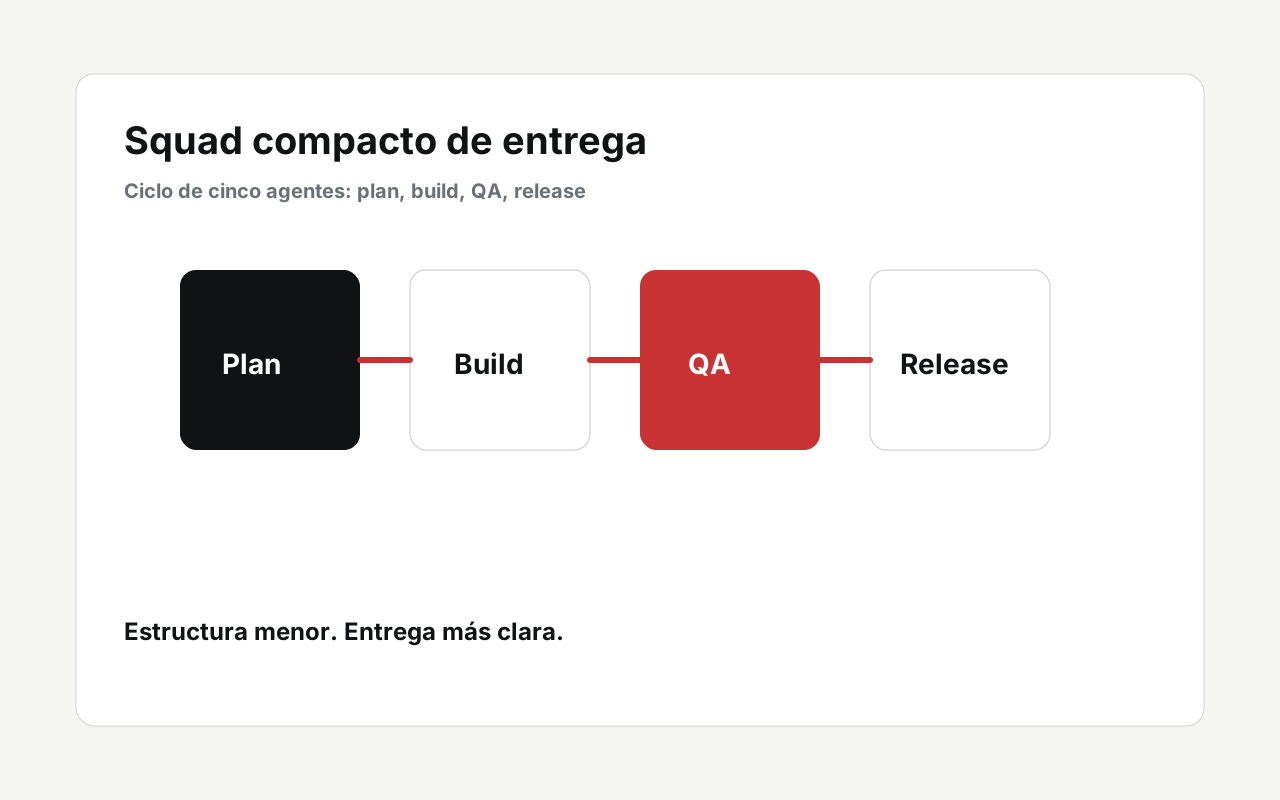
Cambié de un modelo de compañía sobredimensionado a un squad técnico más cerrado, luego lo usé para mover implementación, QA, release notes y manejo de ciclo de vida por un workflow real.
Por qué fue difícilEl squad debía apoyar trabajo real de entrega sin convertir el workflow en más coordinación.
AntesEl modelo anterior de compañía repartía responsabilidad entre demasiados roles y hacía más difícil leer la ruta de entrega.
DespuésUn squad técnico más pequeño movió planeación, implementación, QA, release notes y ciclo de vida por un ciclo.
Relevancia para compradoresMuestra que el trabajo no es más agentes; es la estructura operativa correcta para el problema de entrega frente al equipo.
Recibos sanitizados- Mapa sanitizado de roles
- Checklist de ciclo de entrega
- Rastro de QA y release notes
- Notas del dueño de ciclo de vida
Movimiento del operadorArturo usó un squad técnico compacto para correr un ciclo real de entrega y validar coordinación de agentes más precisa.
ResultadoProbó que estructuras de agentes más pequeñas y precisas pueden superar setups inflados cuando la meta es entrega real. Los mejores sistemas de agentes suelen ser más estrechos, más fáciles de inspeccionar y más cercanos al handoff real.
Sistemas de contenidoEndurecí un pipeline de producción para YouTube hasta volverlo repetible
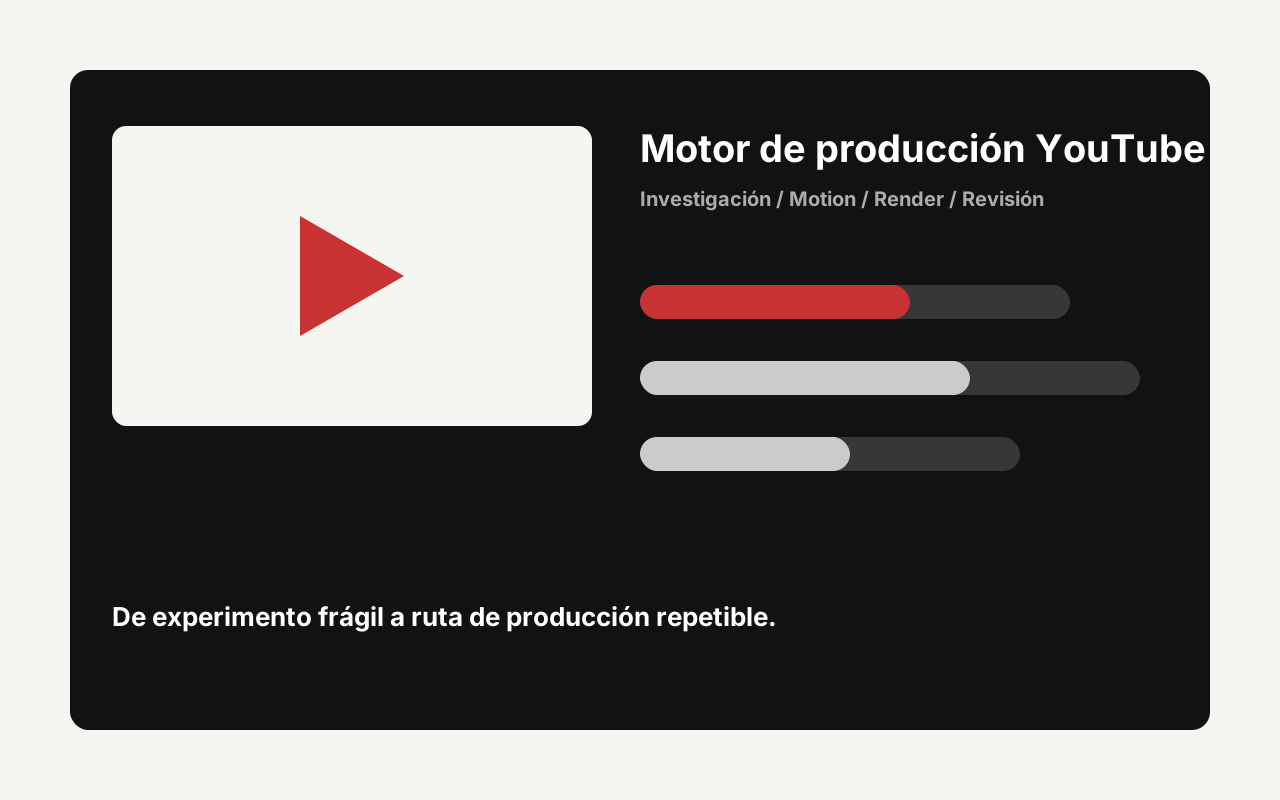
Mejoré un pipeline vivo de contenido con controles de motion, render multi-engine y reglas de ejecución que convirtieron experimentación frágil en una ruta usable de producción.
Por qué fue difícilEl pipeline tenía que preservar gusto y precisión mientras aceleraba investigación, motion, render y revisión.
AntesLa producción dependía de experimentación frágil, correcciones manuales y reglas poco claras de render/revisión.
DespuésEl workflow ganó política de motion, restricciones de render, expectativas de QA y una ruta más clara hacia salida publicable.
Relevancia para compradoresMuestra endurecimiento práctico de sistemas: menos demos frágiles, más comportamiento repetible de producción.
Recibos sanitizados- Mapa sanitizado de producción
- Checklist de política de motion
- Comparación de rutas de render
- Notas de gate de revisión
Movimiento del operadorArturo ajustó reglas de ejecución, rutas de render, política de motion y expectativas de QA alrededor del pipeline.
ResultadoConvirtió una idea abstracta de automatización de contenido en un workflow con restricciones, puntos de revisión, salidas repetibles y una ruta de mejora de calidad. Los sistemas de contenido ganan cuando las restricciones son lo bastante explícitas para que el operador confíe en la siguiente corrida.